-
For Dogs
- GO! SOLUTIONS Carnivore
- GO! SOLUTIONS Digestion + Gut Health for dogs
- GO! SOLUTIONS Sensitivities
- GO! SOLUTIONS Skin + Coat Care
- NOW FRESH - All Products For Dogs
- NOW FRESH All Breed Sizes
- NOW FRESH Large Breed Dog Food
- NOW FRESH Small Breed Dog Food
- GO! SOLUTIONS Weight Management + Joint Care Grain-Free
- NOW FRESH Good Gravy for dogs
- GO! SOLUTIONS Boosters for Dogs
- NOW FRESH Wet Dog Food
- GO! SOLUTIONS Benefit Chews Dog
-
For Cats
- GO! SOLUTIONS Boosters for Cats
- GO! SOLUTIONS Carnivore Recipes for cats
- GO! SOLUTIONS Digestion + Gut Health for cats
- GO! SOLUTIONS HAIRBALL CONTROL + Urinary Care For Cats
- GO! SOLUTIONS Sensitivities Recipes for Cats
- GO! SOLUTIONS Skin + Coat Care Recipes for cats
- GO! SOLUTIONS Weight Management + Joint Care Grain-Free For Cats
- NOW FRESH CAT
- NOW FRESH Wet Cat Food
- On Sale
- For Pet Parents
- Our Brands
- Stockists
- Testimonials
- FAQs
- Contact
- shopping_cart Cart 0
How to transition your pet to a new food
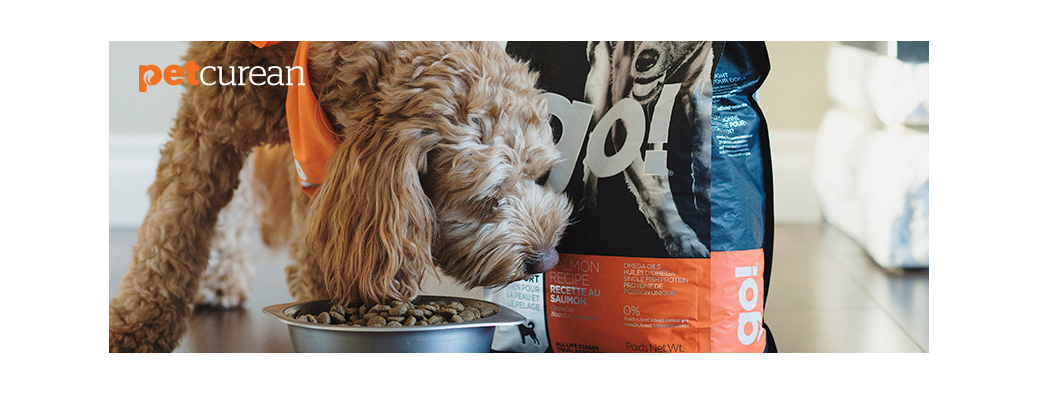
It's important to slowly transition your pet to a new food so their system has a chance to adapt to the change. Some pets have no problem
changing diet without transition, but others have more sensitive digestive systems. If you know that your pet has a sensitive tummy, then
transition even more slowly than the recommendation below.
The transition period should be at minimum, ten days and could take upwards of two weeks, depending on your pet's sensitivity to change:
- On day one, introduce 20% new food / 80% old food. Keep the food at this ratio for two or more days.
- Next, increase the ratio to 40% new food / 60% old food for two or more days.
- Repeat increasing by increments of 20% until you're feeding 100% of the new food.
If your pet experiences any kind of digestive upset during this time, try slowing down the process to let his/her digestive tract adjust to the new food. Some vomiting and/or diarrhea can be normal when introducing new foods as the digestive process and the naturally occurring bacteria your pet's body requires is a complex and delicate system. If your pet experiences any vomiting and/or diarrhea, be sure to reduce the amount of new food the next time you feed and overall, slow the whole transition period down even more.
If you are changing your dog from a raw food diet to a kibble diet you should not follow the above transition programme. The bacteria in the digestive system is different when your dog is on a raw diet to a cooked diet and so it is not recommended that you mix the two types of food. Contact us for help with transition from a raw to kibble diet. (Ph: 0800 4 PETFOOD or email: paws@healthypetfoods.co.nz).